In the wine world, some estates eventually become true references. Their bottles are followed more closely, some vintages become hard to find and collectors watch their releases. But a sought-after wine estate is not built on rarity alone.
Quality, terroir, reputation, production, provenance, demand and the secondary market all play a role. It is the combination of these elements that allows an estate to gradually gain in value and renown.
Quality remains the first criterion
An estate can attract attention with a great vintage, but it only becomes truly sought after when it maintains a high level over several years.
Consistency reassures enthusiasts and collectors.
The more a producer confirms the quality of its wines, the stronger its reputation becomes.
This consistency is essential for creating lasting demand.
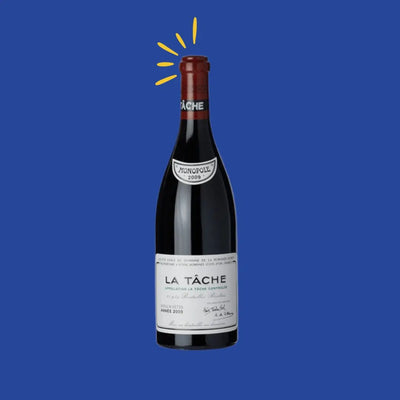
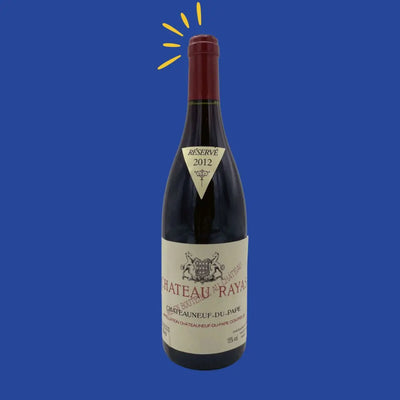
Our pick for this article
Terroir gives a real identity
Terroir directly influences a wine's style.
Soil, climate, exposure and plot location allow an estate to develop its own identity.
In some regions, such as Burgundy or Bordeaux, the reputation of a terroir can greatly increase interest in a producer.
But owning a fine plot is not enough.
The estate must succeed in translating that terroir into the wine.
It is this ability to express an origin that often gives a cuvée its character.
Reputation is built over time
An estate's reputation rests on several years of work.
Critics, tastings, guides, wine merchants and auction houses can all contribute to this recognition.
Over time, the estate's name can become a true reference point.
Buyers then start following new vintages, comparing cuvées and looking for certain bottles.
This renown naturally fuels demand.
Limited production can strengthen interest
Production also plays an important role.
When an estate produces few bottles while demand grows, the cuvées become harder to obtain.
This can increase their desirability.
But rarity and demand must be distinguished.
A bottle can be produced in very small quantities without being particularly sought after.
Rarity becomes truly important when it comes with a solid reputation and enough buyers.
Vintages can accelerate recognition
Some vintages allow an estate to gain visibility quickly.
A great year can attract critics, collectors and buyers.
If the following vintages confirm this quality, the estate's reputation grows stronger.
Some years can even become iconic.
They then serve as references for enthusiasts and can be particularly sought after on the secondary market.
Ageing potential matters a great deal
Wines able to evolve for several years naturally attract collectors.
Good ageing potential allows the wine to gain complexity over time.
This ability to age gives the bottle an extra dimension.
It can be bought young, kept and then enjoyed several years later.
Estates known for age-worthy wines often attract particular interest.
Provenance becomes essential
For older wines, provenance is a major criterion.
It tells you how the bottle was stored and traces its history.
A wine from a prestigious estate can lose appeal if its origin is uncertain or its storage conditions unknown.
Conversely, clear provenance can strengthen confidence.
Original cases, professional storage and a documented history are particularly appreciated by collectors.
Bottle condition influences value
Even when an estate is highly sought after, the condition of each bottle remains important.
Fill level, label, capsule or cork may be examined.
Two bottles of the same vintage can therefore have different values.
Storage quality directly complements provenance.
The secondary market confirms demand
An estate becomes truly sought after when its wines regularly find buyers.
Auctions make it possible to observe this trend.
If the bottles sell regularly, it shows there is real demand.
Transactions also allow vintages to be compared and value to be tracked over time.
A very high asking price is not enough to prove an estate has an active market.
What counts are actual sales.
Liquidity reassures collectors
Liquidity is how easily a bottle can be resold.
A well-known, sought-after estate generally has more potential buyers.
Its market is therefore more active.
Conversely, a very rare bottle from a little-known producer can remain unsold for a long time.
Demand is therefore essential to understanding an estate's true value.
Which signs show an estate is becoming sought after?
Several elements can be observed:
consistent quality,
a growing reputation,
bottles that are harder to find,
rising demand,
well-received vintages,
more frequent appearances at auction,
and an increasingly active secondary market.
When these signals combine, the estate can gradually change status.
What really makes the difference
A sought-after wine estate never rests on a single criterion.
It generally combines consistent quality, an identifiable terroir, a solid reputation, controlled production, good provenance, ageing potential and real demand.
It is this combination that gradually builds its value.
Rarity can strengthen interest, but it is not enough.
Above all, it is quality, trust, reputation and collector demand that allow an estate to become truly sought after.