Ageing gradually transforms a wine's aromatic bouquet. A young wine may be dominated by fresh fruit, flowers or spices. After several years in bottle, these aromas evolve and give way to notes of leather, tobacco, forest floor, truffle, honey or dried fruit.
This evolution depends on the grape variety, vintage, acidity, tannins, ageing method and above all storage conditions.
Primary aromas in a young wine
Primary aromas come mainly from the grape and the variety.
In a young red wine, you may find cherry, blackcurrant, strawberry, plum or black fruit.
In a white wine, notes of citrus, apple, peach, apricot or flowers are often very present.
These aromas give the wine an impression of freshness and youth.
Our pick for this article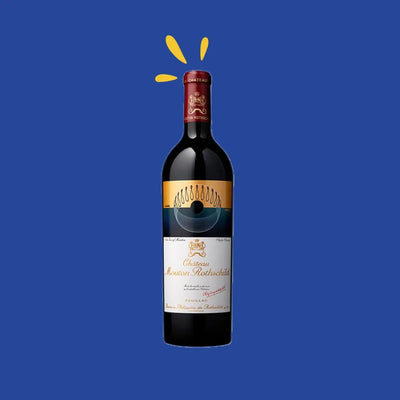
Secondary aromas
Secondary aromas appear mainly during fermentation and ageing in the cellar.
Time in barrel can bring notes of vanilla, toast, spice or hazelnut.
Some fermentations can also give more roundness or creamy sensations.
With ageing, these aromas gradually blend into the overall bouquet.
Tertiary aromas
Tertiary aromas are directly linked to the wine's maturation in bottle.
They appear gradually over the years.
In red wines, you may find notes of leather, tobacco, cedar, forest floor, truffle or mushroom.
In white wines, honey, wax, hazelnut and dried fruit often become more present.
After 5 years: fruit remains important
After about five years, many wines still retain strong fruit expression.
Cherry is still recognisable but may become riper.
Blackcurrant may seem deeper.
White fruit can evolve towards richer notes.
In some wines made for ageing, the first notes of forest floor, cedar or hazelnut may already appear.
Tannins begin to evolve
In reds, tannins may begin to soften.
The palate becomes less firm.
The texture seems rounder and more harmonious.
Some powerful wines, however, remain very structured after five years.
Ageing potential varies enormously from one bottle to another.
After 10 years: the wine reaches maturity
Around ten years, tertiary aromas often become much more present.
Fresh fruit evolves towards ripe, candied or dried fruit.
Plum may recall prune.
Cherry may become more candied.
In reds, leather, tobacco, cedar or forest floor begin to take up more space.
Greater aromatic complexity
The main change often comes from the blending of several aroma families.
The fruit does not necessarily disappear.
It combines with spices, oak notes and tertiary aromas.
This layering creates a much more complex bouquet.
It is often this phase of maturity that lovers of age-worthy wines are looking for.
Whites after 10 years
Great white wines can also evolve beautifully.
Citrus can become more candied.
Peach can evolve towards dried apricot.
Notes of honey, hazelnut, wax or nuts can appear.
Acidity remains essential to keep freshness.
After 20 years: tertiary aromas dominate
At twenty years, generally only wines with real ageing potential continue to evolve harmoniously.
In reds, notes of leather, tobacco, truffle, mushroom and forest floor can become dominant.
In whites, you find more honey, dried fruit, hazelnut or wax.
Fresh fruit generally becomes much more discreet.
Does the fruit disappear completely?
Not necessarily.
In a well-stored great wine, fruit can remain present for a very long time.
It simply changes form.
The fruit becomes riper, candied or dried.
This presence of fruit often helps maintain good balance against the tertiary aromas.
The role of acidity
Acidity is fundamental to ageing.
It allows the wine to keep its freshness.
It also gives tension and energy.
In great age-worthy whites, good acidity lets honey or dried fruit aromas develop without feeling too heavy.
The role of tannins
Tannins play an important role mainly in red wines.
They can be powerful in youth.
Over time, they generally become softer.
The texture can then become silkier.
This evolution contributes strongly to the sense of maturity.
The grape variety influences ageing
Not all grape varieties evolve in the same way.
Cabernet Sauvignon can develop blackcurrant, cedar, tobacco and leather.
Pinot Noir can evolve towards forest floor, spice and ripe red fruit.
Syrah can show pepper, smoke or leather.
Chardonnay can develop honey, hazelnut and dried fruit.
The vintage matters too
The vintage influences the wine's structure.
A hot year can produce more concentration.
A cooler year can bring more acidity.
These differences directly change the pace of ageing.
Two vintages from the same estate can therefore reach maturity at very different times.
Ageing in oak shapes the bouquet
Time in barrel can bring aromas of vanilla, spice or toast.
In a young wine, these notes can be very present.
Over the years, they gradually integrate.
In a well-balanced wine, the oak eventually becomes much less noticeable.
Storage is essential
A wine meant for ageing must be stored properly.
Too high a temperature speeds up chemical reactions.
Light and temperature swings can also harm the wine.
A poorly stored bottle can therefore seem much older than its real age.
The wine's peak
A wine does not improve indefinitely.
It generally reaches a period when fruit, tertiary aromas, tannins and acidity find a particularly harmonious balance.
This is called its peak.
For great wines, this phase can last several years.
Then comes the decline
After its plateau of maturity, the wine gradually begins to decline.
The fruit becomes weaker.
Freshness diminishes.
Tertiary aromas can become too dominant.
The texture can lose substance.
The best time to open a bottle therefore depends on its ageing potential and the style you prefer.
5, 10 or 20 years: only guidelines
These timeframes are never absolute rules.
Some wines are at their best after five years.
Others need ten or fifteen years to truly open up.
The greatest wines can continue to evolve for several decades.
From fresh fruit to complexity
The evolution of wine aromas thus follows a gradual transformation.
In youth, fresh fruit and primary aromas dominate.
Over time, more ripe fruit, spice and tertiary notes appear.
After long ageing, leather, tobacco, truffle, forest floor, honey or hazelnut can become central to the bouquet.
Ageing does not automatically make a wine better.
Above all, it makes it different, more mature and often more complex.