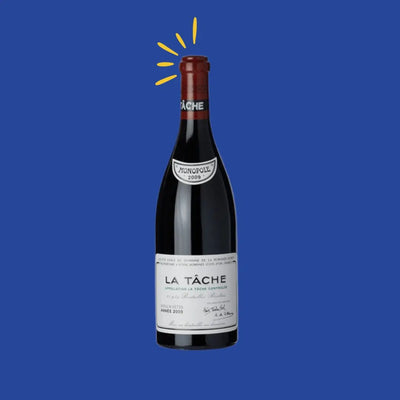
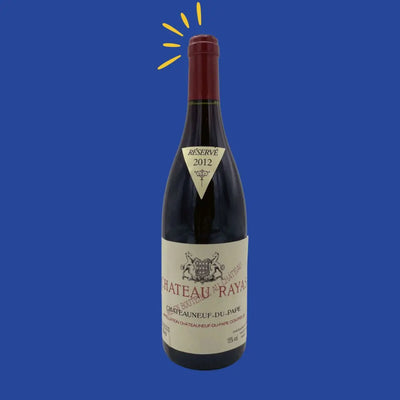
Investing 10,000 euros in wine lets you start building a diversified investment cellar. With this budget, you can spread your capital across several regions, producers and vintages.
The goal is not to buy the most prestigious bottle possible.
Rather, it is to build a coherent portfolio with a good balance between rarity, liquidity, resale potential and level of risk.
Spread the budget across several regions
Diversification remains essential.
Concentrating the 10,000 euros on a single region increases risk.
An illustrative allocation could be:
3,000 euros in Bordeaux.
2,500 euros in Burgundy.
2,000 euros in Champagne.
1,500 euros in other wine regions.
1,000 euros kept for costs, storage or future opportunities.
This allocation is only indicative.
Above all, it shows the value of not concentrating the whole portfolio.
Our pick for this article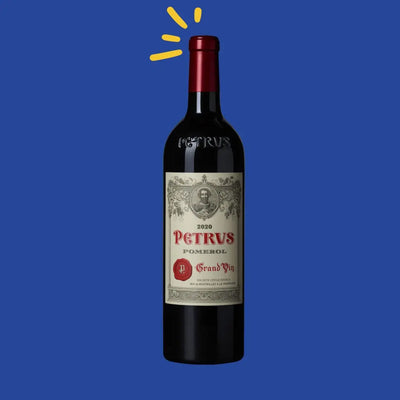
Bordeaux for liquidity
Bordeaux can be an interesting foundation.
Its grands crus enjoy a strong international reputation.
Some references are regularly traded on the secondary market.
This market depth can make resale easier.
But the entry price remains essential.
A great name bought too expensively may offer little potential.
Compare the current price with demand and recent transactions.
Burgundy for rarity
Burgundy relies more on limited production.
Some plots produce very few bottles.
When international demand stays strong, this rarity can support value.
But Burgundy requires more precision.
Producer, plot, appellation and vintage all play a major role.
Rigorous selection is therefore essential.
Champagne to complete the portfolio
Champagne can bring another form of diversification.
Some great houses and prestige cuvées enjoy strong renown.
Sought-after vintages can attract collectors and enthusiasts.
Consumption also gradually reduces available stocks.
But not all cuvées are suitable for investment.
Favour references that are genuinely in demand on the secondary market.
Do not forget other regions
Part of the budget can also go to the Rhône Valley, the Jura, the Loire or some Italian wines.
These regions can offer more accessible entry prices.
Some are also enjoying growing renown.
But their liquidity can be lower.
They should therefore be included in moderation.
Liquidity is essential
Liquidity is how easily a bottle can be resold.
A bottle can be rare and expensive without being easy to sell.
Look at the frequency of transactions and the depth of the market.
A balanced investment cellar should contain enough references with steady demand.
Rarity alone is not enough.
Provenance protects value
Provenance directly influences future buyers' confidence.
A bottle with clear traceability will generally be easier to resell.
Invoices, original cases, storage history and conditions can strengthen perceived value.
Conversely, a bottle of uncertain origin may be discounted.
This should be anticipated from the moment of purchase.
Storage is part of the strategy
Wine must be kept in good conditions.
Stable temperature, suitable humidity, darkness and no vibration remain essential.
Professional storage can be worthwhile for an investment cellar.
It makes storage easier and often improves traceability.
But it has a cost.
These costs must be built in from the start.
Think about resale costs too
Commissions, transport, storage, insurance and auction fees can reduce real performance.
A bottle that rises in value does not necessarily deliver the same net return.
Calculate the costs before investing.
This approach avoids overestimating profitability.
Spread vintages as well
Diversification should not be only geographical.
It can also be worthwhile to spread purchases across several vintages.
Some years are more sought after.
Others may offer more attractive entry prices.
A cellar built around several vintages reduces dependence on a single year.
Follow the secondary market
Auction results show real demand.
They give indications of prices, liquidity and the most sought-after producers.
It is better to analyse several sales than to rely on a single record.
The frequency of transactions is often as important as the price reached.
Keep a budget reserve
Putting all 10,000 euros into bottles can be a mistake.
Keeping part of the capital available covers costs and lets you seize new opportunities.
The market evolves.
An estate can gain in reputation or a new cuvée can appear.
A reserve therefore offers more flexibility.
Think over several years
Wine investment is generally better suited to the medium or long term.
Rarity and demand evolve gradually.
A horizon of several years also helps absorb costs.
But the capital remains tied up.
Only invest an amount compatible with your financial situation.
Build a cellar methodically
With 10,000 euros, you can already build a well-structured investment cellar.
Bordeaux can bring liquidity.
Burgundy can add rarity.
Champagne can complete the diversification.
Other regions can offer additional opportunities.
But the success of a strategy does not depend on the prestige of the bottles.
It depends above all on entry price, provenance, storage, demand and resale potential.
Investing 10,000 euros in wine therefore requires a clear method, diversification and a long-term vision.