Chardonnay or Sauvignon Blanc? These two grape varieties are among the best known in white wine, but they offer very different styles. Chardonnay is often associated with roundness, texture and richness, while Sauvignon Blanc stands out more for its freshness, acidity and aromatic intensity.
To choose between them, look at several elements: aromas, terroir, climate, winemaking and food pairings. Two bottles from the same grape can also be very different depending on their origin and the winemaker's work.
Chardonnay: a very versatile grape
Chardonnay is particularly linked to Burgundy, but it is now grown in many regions of the world.
Its great strength is its ability to produce very varied wines.
In cool climates, Chardonnay can give taut, precise, mineral wines with aromas of lemon, apple and citrus.
In warmer regions, it can become richer and develop notes of ripe fruit, pineapple or tropical fruit.
It is therefore a grape that changes enormously with terroir.
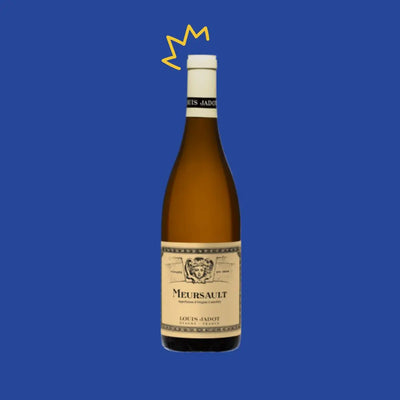
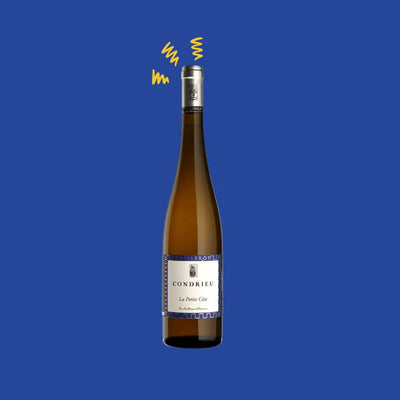
Our pick for this article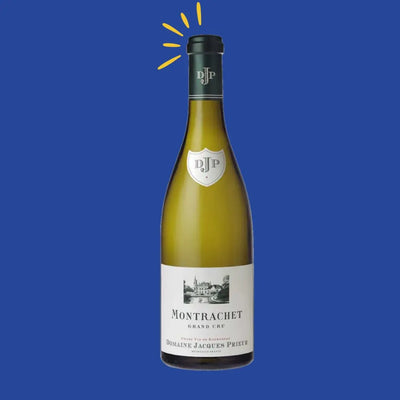
Élevage transforms Chardonnay's style
The type of ageing plays an essential role.
A Chardonnay made in stainless steel often keeps more freshness and fruit.
Oak ageing, on the other hand, can bring more roundness, texture and complexity.
The wood can also bring out more indulgent, lightly toasty or vanilla notes.
This is why a Chardonnay can be very lively or much broader depending on how it is made.
Sauvignon Blanc: freshness and liveliness
Sauvignon Blanc often has a more direct profile.
It is known for its marked acidity and great freshness.
Its aromas can recall lemon, grapefruit, citrus, fresh herbs or green notes.
In some climates, it can also develop tropical fruit aromas.
It is particularly popular with lovers of dry, fresh, expressive white wines.
Terroir strongly influences Sauvignon Blanc
Like Chardonnay, Sauvignon Blanc changes enormously with its origin.
In the Loire, it often gives taut, mineral and very fresh wines.
In Bordeaux, it can be blended with other white grapes to produce more complex wines.
In New Zealand, notably Marlborough, it often becomes more aromatic, with very pronounced notes of grapefruit, citrus and tropical fruit.
Terroir therefore reveals several expressions of the same grape.
Chardonnay or Sauvignon Blanc: how do they differ on the palate?
The most obvious difference often concerns texture.
Chardonnay can be rounder, suppler and broader.
Sauvignon Blanc is generally livelier, more nervy and fresher.
If you like rich, elegant and sometimes lightly oaked white wines, Chardonnay will often be a good choice.
If you prefer dry, fresh and very aromatic wines, Sauvignon Blanc will suit you better.
Chardonnay's main aromas
Chardonnay can develop a very wide aromatic range:
- apple
- lemon
- citrus
- peach
- pineapple
- tropical fruit
- minerality
- oaky notes depending on élevage
This diversity explains why it can accompany so many styles of cooking.
Sauvignon Blanc's main aromas
Sauvignon Blanc generally offers a more expressive profile:
- lemon
- grapefruit
- citrus
- tropical fruit
- fresh herbs
- green notes
- minerality
Its aromatic intensity often makes it quick to recognise.
What to pair with Chardonnay?
A fresh, lightly oaked Chardonnay works very well with fish, seafood and light dishes.
A richer, rounder style can accompany poultry, fish in sauce or creamy recipes.
Its texture allows it to adapt easily to many meals.
What to pair with Sauvignon Blanc?
Sauvignon Blanc is particularly suited to fresh dishes.
It goes well with white fish, seafood, vegetables and recipes with fresh herbs.
It is also well known for its pairing with goat's cheese.
Its acidity brings plenty of freshness.
Which to choose for an aperitif?
For an aperitif, Sauvignon Blanc is often a simple, effective choice.
Its liveliness and citrus aromas are very refreshing.
A fresh, unoaked Chardonnay can also work.
Richer Chardonnays, however, are often more interesting with a meal.
How to choose according to your taste
Choose a Chardonnay if you like:
- round wines
- a broader texture
- ripe fruit aromas
- wines that can be oak-aged
- more complex profiles
Choose a Sauvignon Blanc if you are looking for:
- plenty of freshness
- marked acidity
- citrus aromas
- a lively, aromatic profile
- a dry, dynamic white wine
Two grapes, two great families of style
Chardonnay and Sauvignon Blanc offer two very different experiences.
Chardonnay often stands out for its roundness, texture and ability to evolve with élevage.
Sauvignon Blanc appeals more through its freshness, acidity and aromatic character.
But neither has a single style.
Terroir, climate and winemaking can completely change their expression.
To choose between Chardonnay and Sauvignon Blanc, the most important thing is to know what you want in your glass: roundness and texture, or more freshness and liveliness.