Trending champagnes in 2026 reflect a profound shift in taste. Consumers are now looking for more freshness, precision and identity. The great Champagne houses remain essential, but grower champagnes, single-plot cuvées, Blancs de Blancs and low dosages are gaining visibility. Here are the main styles to discover if you want a champagne in tune with the times.
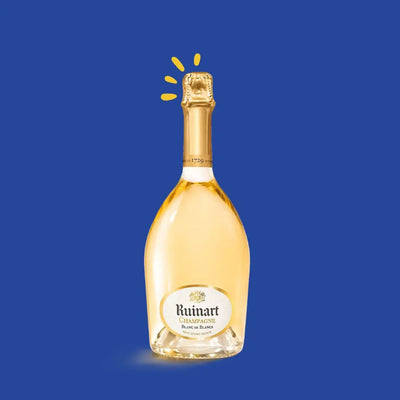
Blanc de Blancs, the big trend of 2026
Blanc de Blancs has become one of the most sought-after champagnes of the moment. Usually made from Chardonnay, it appeals through its freshness, finesse and elegance. Its aromatic profile can reveal notes of citrus, white flowers, apple, pear or dried fruit depending on its age.
Minerality is also an important feature of many cuvées. On Champagne's chalky soils, Chardonnay can produce taut, precise wines with good acidity.
Blanc de Blancs is particularly suited to aperitifs, seafood, oysters, fine fish and summer meals. Its versatility partly explains its popularity among champagne lovers.
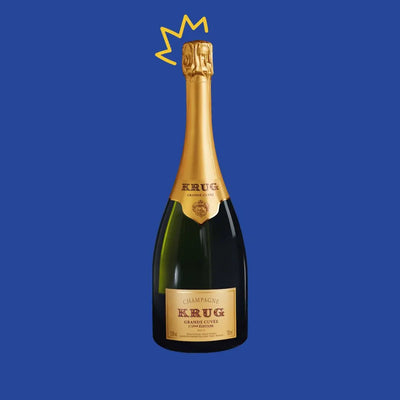
Our pick for this article
Single-plot cuvées showcase terroir
Single-plot cuvées are another strong trend. Unlike traditional blends combining several crus or sectors, they come from one precisely identified plot.
The aim is to reveal the expression of a terroir, a soil, an exposure and sometimes a single grape. These champagnes often have a more distinctive identity and limited production.
Single-plot cuvées attract enthusiasts looking for rare and original wines. They also allow Champagne growers to highlight their vineyard work and the particularities of their estate.
This approach brings champagne closer to the notion of cru and increases interest in the exact origin of the grapes.
Brut Nature and Extra Brut: the rise of low dosage
Dosage is the amount of sugar added after disgorgement. Brut Nature and Extra Brut champagnes are now particularly popular with consumers looking for drier wines.
A Brut Nature has very low or no dosage, letting acidity, minerality, terroir and grape quality show more directly. Extra Brut keeps a light dosage but remains much less sweet than a classic Brut.
These styles demand great precision in winemaking. Without sugar to round things off, the champagne's balance depends on grape ripeness, natural freshness and the quality of the blend.
Low-dosage champagnes go well with seafood, fish, hard cheeses and savoury dishes.
Biodynamics is growing in Champagne
Biodynamics and environmentally friendly practices are taking a growing place in the Champagne vineyard. Many producers seek to encourage soil life, reduce treatments and strengthen the vines' natural resistance.
These methods are often associated with a search for purity and transparency. Growers want to produce champagnes that express their terroir more precisely.
Some estates also practise agroforestry, use less sulphur or develop more natural winemaking. These approaches do not automatically guarantee quality, but they meet the expectations of some consumers.
In the face of climate change, soil work, water management and preserving acidity are becoming essential for the future of Champagne.
Vintage champagnes attract collectors
Vintage champagne is made from the grapes of a single year, expressing the particular character of that vintage and its weather.
In 2026, enthusiasts are especially interested in new cuvées from 2018, 2019 and 2020. Some older vintages also continue to gain complexity after long cellar ageing.
Vintage champagnes often develop deeper aromas: brioche, hazelnut, ripe fruit, spice, honey or toasty notes. They can accompany a gastronomic meal and sometimes have significant ageing potential.
Prestige cuvées, limited editions and old vintages are particularly attractive to collectors.
The return of elegant rosé champagnes
Rosé champagne remains very present among current trends. Consumers, however, are looking for more precise, fresh and balanced cuvées.
The best rosé champagnes generally combine red fruit aromas with lively acidity and an elegant structure. They can reveal notes of strawberry, raspberry, redcurrant, citrus or spice.
Rosé champagne is no longer limited to the aperitif. It can accompany salmon, tuna, white meat, lightly spiced dishes or a not-too-sweet red fruit dessert.
Which trending champagne to choose in 2026?
For a fresh, elegant tasting, Blanc de Blancs remains a safe bet. Lovers of dry wines can turn to a Brut Nature or Extra Brut. A single-plot cuvée will better suit those seeking the precise expression of a terroir.
Biodynamic champagnes will appeal to consumers interested in vineyard work, while vintages and rare cuvées will interest collectors.
Above all, the trending champagnes of 2026 show a desire to better understand what is in each bottle. Terroir, grape variety, dosage, vintage and winemaking method now play a central role in choosing a champagne.