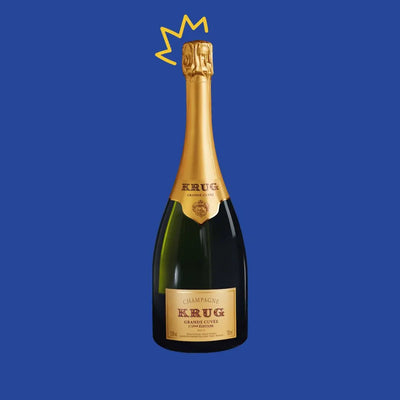
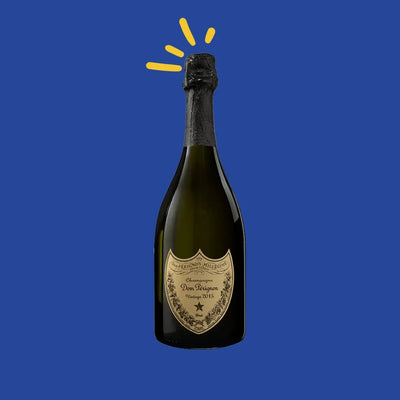
Discovering champagne means immersing yourself in a rich, festive tradition. Here you will learn about the historical origins of this sparkling wine, its unique terroir, its grape varieties, the iconic role of Dom Pérignon and the production process that gives it its prized bubbles. This guide invites you to enjoy champagne with real understanding, while respecting good drinking practices.
Origins and history of champagne
Champagne has its roots in the region of the same name in north-eastern France, where winegrowing dates back to Roman times. Over the centuries it became a symbol of luxury and celebration, thanks in particular to techniques perfected in the 17th century. Legend credits its invention to Dom Pérignon, a Benedictine monk who helped master the second fermentation. These milestones built champagne's worldwide reputation as an exceptional drink.
Our pick for this article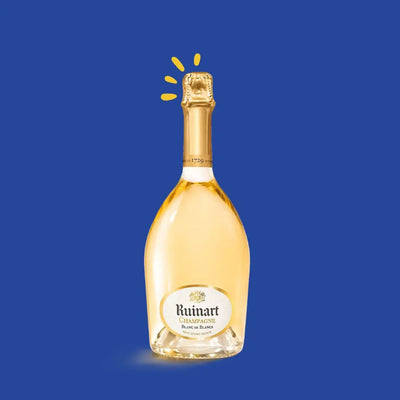
The unique terroir of the Champagne region
With its cool temperate climate, the Champagne region benefits from chalky soil that is ideal for vines. More than 16,000 growers farm around 34,000 hectares of vineyards, shaping a terroir where geology and farming practices ensure exceptional quality. This combination produces grapes with complex aromas and supports sustainable production.
Champagne grape varieties
Champagne relies mainly on three grape varieties: Pinot Noir, Pinot Meunier and Chardonnay. Pinot Noir brings structure and power, Meunier fruity roundness, and Chardonnay elegance and finesse. Blending them creates the character of each cuvée, with fruity, spicy or vegetal aromatic profiles that define champagne's unique identity.
Dom Pérignon: the symbol of vintage-only champagne
Dom Pérignon is the iconic reference for "vintage only" champagne, produced only in years when the harvest reaches exceptional quality. The brand embodies exclusivity and excellence, showcasing each vintage through careful blending. Its reputation has shaped a culture of celebration around a prestigious champagne admired worldwide.
How champagne is made
Champagne production begins with a hand harvest, followed by gentle pressing. The first fermentation produces the base wine, then a second fermentation in the bottle creates the characteristic bubbles. The process requires rigorous craftsmanship, including riddling and disgorgement, and differs for vintage and non-vintage champagnes, ensuring finesse and complexity.
FAQ: common questions about champagne
Champagne is indeed a wine, specifically a sparkling wine, usually with around 12% alcohol. For a good champagne under €20, favour well-known brands that offer excellent value. The most popular champagnes include prestigious names often available from the best wine merchants. Remember that responsible drinking is essential: respect the legal drinking age, which is 21 in the United States, and always drink in moderation.
Why choose champagne to celebrate
Champagne embodies celebration and conviviality. Its bubbles bring unique elegance to special moments and festive meals. Enjoying champagne means sharing a refined and joyful experience, always in moderation. Whether for a birthday, a wedding or simply a delicious moment, champagne remains the ideal choice to celebrate in style.