The world's vineyards contain thousands of grape varieties, but a few hold a particularly important place. Cabernet Sauvignon, Merlot, Chardonnay, Tempranillo, Syrah, Grenache and Sauvignon Blanc are now grown on several continents. In 2026, these varieties remain among the most widely planted in the world. Their success rests on their adaptability, international reputation and ability to produce very different styles of wine depending on climate and terroir.
Cabernet Sauvignon, a global reference
Cabernet Sauvignon is one of the most widely planted red grapes in the world.
Originally from Bordeaux, it is now found in France, California, Chile, Australia, South Africa and China.
It generally gives structured wines with significant tannins and good acidity. Aromas of blackcurrant, blackberry, black fruit, cedar and spice are particularly characteristic.
When oak-aged, notes of vanilla, tobacco or wood can also appear.
Its structure often gives it significant ageing potential.
Our pick for this article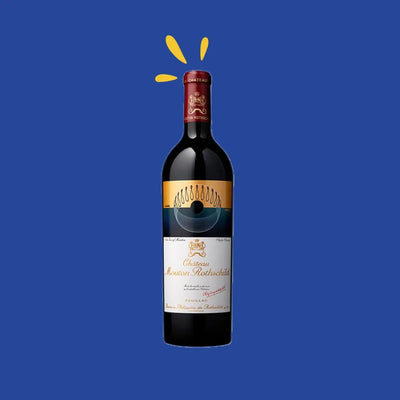
Merlot, roundness and suppleness
Merlot is also very present in the world's vineyards.
It is particularly associated with Bordeaux, notably Saint-Émilion and Pomerol.
Merlot generally produces rounder, suppler wines than Cabernet Sauvignon, with aromas of plum, cherry and black fruit.
Its tannins are often more approachable when young.
It is also widely used in Bordeaux blends, where it complements the power and structure of Cabernet Sauvignon.
Tempranillo, Spain's great grape
Tempranillo holds an essential place in Spain.
It is found notably in Rioja and Ribera del Duero.
It can produce structured wines marked by red and black fruit, with good ageing capacity.
After oak ageing, notes of vanilla, spice, leather or tobacco can appear.
The size of the Spanish vineyard largely explains its position among the world's most planted grapes.
Chardonnay, the essential white grape
Chardonnay is one of the most famous white grapes on the planet.
Originally from Burgundy, it is now grown in France, the United States, Australia, Chile and South Africa.
Its profile changes enormously with terroir.
In Chablis, it can give fresh, mineral wines with notes of citrus and white flowers.
Elsewhere in Burgundy, it can be rounder, richer and more complex.
Chardonnay also plays an essential role in Champagne, notably in Blancs de Blancs.
Syrah, between power and spice
Syrah is strongly associated with the Rhône Valley.
It is used in great appellations such as Hermitage, Cornas and Côte-Rôtie.
Its wines often develop aromas of blackberry, blackcurrant, violet, pepper and spice.
In Australia, where it is generally called Shiraz, it can produce richer, riper and more powerful wines.
This ability to express itself differently depending on climate explains its international success.
Grenache, a grape suited to heat
Grenache is very present in Spain and the south of France.
It withstands heat and drought relatively well, which gives it particular interest today in the face of climate change.
It often produces wines marked by strawberry, cherry, red fruit and spice.
Grenache is also widely used in blends in many Mediterranean wines.
Sauvignon Blanc, freshness and intensity
Sauvignon Blanc is one of the great international white grapes.
In France, it is mainly found in Bordeaux and the Loire Valley.
It has also become emblematic of New Zealand.
Sauvignon Blanc generally stands out for its freshness and acidity.
Its aromas can recall citrus, grapefruit, exotic fruit, flowers or green notes.
Its style varies greatly with climate and terroir.
Pinot Noir, finesse and elegance
Pinot Noir is one of Burgundy's most prestigious grapes.
It often produces fine, elegant wines with aromas of cherry, strawberry, raspberry and other red fruits.
With age, it can develop notes of spice, undergrowth or mushroom.
Pinot Noir also plays a major role in Champagne.
It is now grown in several cool regions of the world, notably New Zealand, Germany and the United States.
Ugni Blanc and Airén, less known but widely planted
Ugni Blanc holds an important place in France.
It produces generally fresh, acidic wines, but is mainly used for distillation, notably for Cognac and Armagnac.
Airén is mainly grown in Spain.
This white grape long covered very large areas thanks to its resistance to heat and drought.
These two varieties are a reminder that the most planted grapes are not necessarily the best known to the public.
Why do some grapes dominate the world?
Several factors explain their success.
Adaptability to climate and terroir is essential. Cabernet Sauvignon, Chardonnay and Merlot can be grown in many regions.
Renown also plays an important role. Consumers easily recognise these names, which encourages planting.
Yield, resistance to weather, ageing potential and blending possibilities also influence producers' choices.
Climate change could reshuffle the rankings
Global viticulture now faces more heat, drought and water stress.
Some regions are therefore looking for grapes better able to cope with these new conditions.
Grenache, for example, adapts well to hot, dry climates.
Conversely, some more sensitive varieties could gradually be grown in cooler or higher areas.
The ranking of the most planted grapes could therefore change in the coming decades.
Which grapes to remember in 2026?
Cabernet Sauvignon, Merlot, Chardonnay, Tempranillo, Syrah, Grenache, Sauvignon Blanc, Pinot Noir, Ugni Blanc and Airén remain among the major grapes of the world's vineyards in 2026.
Their importance depends on the area planted, but also on their ability to produce wines suited to different terroirs.
Bordeaux, Burgundy, Champagne, Spain, California, Australia and New Zealand perfectly show that the same grape can completely change style depending on climate, soil and winemaking.
Knowing the world's most planted grapes therefore helps you understand the diversity of wine and the major trends in global viticulture.