The choice between natural cork and screw cap is not just a matter of tradition. Both closures influence storage, oxygen intake and how wine ages in bottle. Each has its advantages and limits.
The real question is therefore not which is more prestigious, but which best suits the style of the wine and its ageing potential.
Natural cork
Cork remains the historic closure for wine.
Made from the bark of the cork oak, it is very elastic and seals effectively.
It also lets through very small amounts of oxygen.
This micro-oxygenation can accompany the wine's evolution over the years.
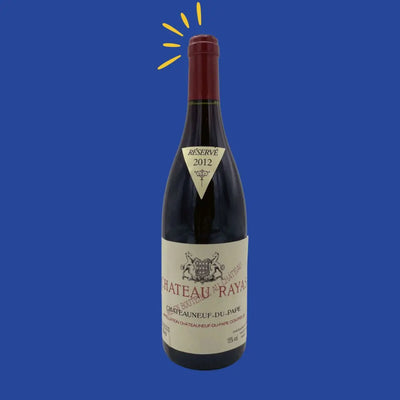
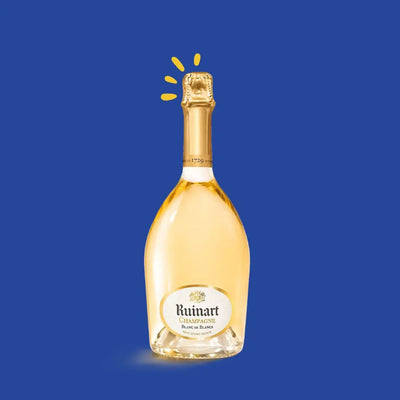
Our pick for this article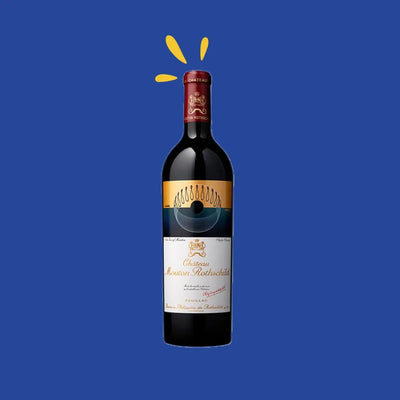
Cork and ageing
For some wines made for ageing, this small oxygen intake can help soften the tannins and develop more complex aromas.
The fruit can evolve towards notes of forest floor, leather, tobacco, spice or dried fruit.
This is one of the reasons why cork remains widespread on great bottles intended for ageing.
The variability of cork
Natural cork is not perfectly consistent, however.
Two corks can have different levels of permeability.
Two identical bottles can therefore evolve slightly differently.
This variability is one of the main limits of cork.
The TCA problem
Natural cork can also be affected by TCA.
This molecule is responsible for the famous corked taste.
The wine can then develop smells of damp cardboard, cellar or mould.
The fruit aromas become more muted.
Modern techniques have reduced this risk, but it has not disappeared completely.
The screw cap
The screw cap works very differently.
It offers a more consistent seal from one bottle to the next.
It also greatly limits exchanges with the outside.
This helps preserve freshness, fruit and primary aromas.
It also eliminates the risk of TCA from cork.
Does a screw cap stop wine from ageing?
No.
A wine under screw cap continues to evolve.
Chemical reactions carry on naturally in the bottle.
The difference lies mainly in the amount of oxygen available.
With a screw cap, evolution can be slower and more even.
The wine can therefore keep a young, fresh profile for longer.
Controlling oxygen
Modern screw caps can be designed with different levels of permeability.
The producer can thus choose a more or less airtight closure.
This control makes it possible to adapt the oxygen level to the desired style.
It is one of the great technical advantages of the screw cap.
The risk of reduction
A very airtight closure can, however, encourage reduction.
The wine may then show sulphurous or slightly closed notes on opening.
In some cases, simple aeration is enough to soften them.
Manufacturers are now working on systems to better control this phenomenon.
Which closure for white wines?
For aromatic white wines, the screw cap can be particularly attractive.
It helps preserve citrus, flowers, fresh fruit and acidity.
It is therefore suited to wines you want to keep clean and expressive.
A great white for ageing can, however, evolve perfectly well under cork.
And for red wines?
Red wines meant to be drunk fairly young can also benefit from a screw cap.
It helps them keep their fruit.
Reds for long ageing are still very often sealed with cork.
This is explained as much by tradition as by the long track record of this closure.
Storage remains essential
The type of closure is not everything.
A poorly stored bottle can evolve too quickly, whether it is sealed with a cork or a screw cap.
The temperature must remain stable.
Light must be limited.
Vibrations must be avoided.
Storage therefore plays a fundamental role.
Should bottles be laid down?
Bottles sealed with cork are traditionally stored lying down.
This keeps the cork in contact with the wine.
A bottle under screw cap can stay upright.
The seal does not need to be kept moist.
In both cases, a stable cellar remains the priority.
The role of temperature
Heat accelerates wine ageing.
Repeated variations can also disrupt its evolution.
A stable temperature is therefore more important than the simple choice between cork and screw cap.
A good closure cannot make up for poor storage.
A screw cap does not mean a cheap wine
This is still a common misconception.
Many producers use screw caps on quality wines.
The choice is often driven by a search for consistency and freshness.
The quality of a wine depends above all on its terroir, grape, vintage, winemaking and ageing.
Cork is not automatically better
A cork does not guarantee better storage either.
A poor-quality cork can accelerate oxidation or cause a fault.
Performance therefore depends as much on the quality of the closure as on its type.
Which closure keeps wine best?
The screw cap generally offers great consistency and effectively protects fresh aromas.
Cork has a longer track record in the ageing of great wines and remains well suited to many cuvées for ageing.
Both solutions can therefore work very well.
Cork or screw cap: what to remember
Cork accompanies a traditional evolution of the wine, with slight micro-oxygenation and some variability.
The screw cap offers more control, consistency and excellent protection against oxidation.
There is therefore no perfect closure for every bottle.
The best choice depends on the style of the wine, its ageing potential and how the producer wants it to evolve over time.