Champagne news in 2026 reflects a period of transformation. Between a changing market, new drinking habits, climate change and innovative cuvées, the Champagne industry must find a balance between tradition and adaptation. Champagne houses and growers are tracking sales, shipments, stocks and the state of the vineyards to prepare the future of the appellation.
A changing champagne market
The champagne market in 2026 still faces a complex economic context. Sales vary from country to country and from one distribution channel to another. The French market remains essential, but exports play a growing role in supporting production and the international visibility of the great houses and independent producers alike.
Consumers pay more attention to price, to where bottles come from and to the experience on offer. Champagne keeps its image as a prestige wine, but it is no longer reserved for weddings or the end-of-year holidays. It is now also enjoyed as an aperitif or at a meal with friends.
This shift favours grower champagnes, limited editions and cuvées with a strong identity.
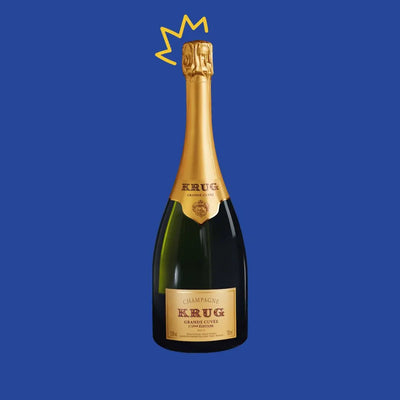
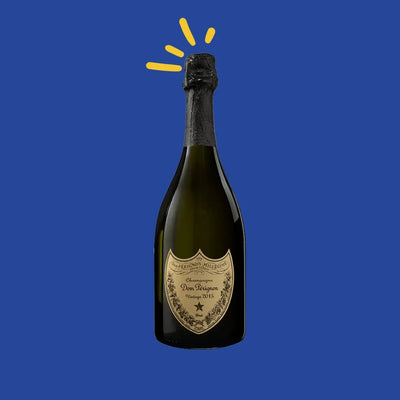
Our pick for this article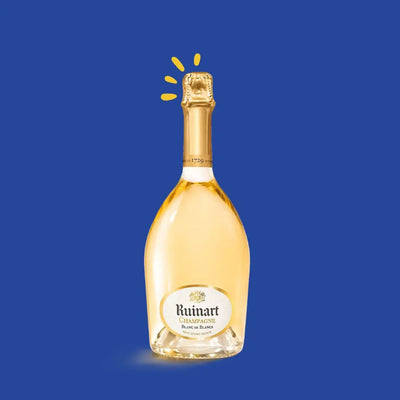
The 2026 harvest: climate at the centre of concerns
The 2026 harvest is a major topic in Champagne. Frost, heatwaves and drought directly affect the vines and yields. Early budburst can make the Champagne vineyard more vulnerable to spring frosts, while lack of water can slow the growth of the grapes.
Chardonnay, Pinot Noir and Meunier do not always react in the same way to weather conditions. Differences between plots, soils and exposures can therefore produce contrasting results.
Champagne yields must preserve grape quality while keeping production in line with the market. Stocks and reserve wines allow Champagne houses to maintain a certain consistency despite variations between vintages.
What profile for the 2026 vintage?
It is still too early to define the profile of the 2026 champagne vintage precisely. Final quality will depend on grape ripeness, the balance between sugar and acidity, the health of the bunches and the decisions made at harvest time.
In a context of heat and early ripening, professionals are above all looking for freshness, tension and good aromatic balance. Plots that kept enough natural acidity could produce interesting wines for future vintage cuvées.
A vintage is not judged by the harvest alone. Blending, fermentation, ageing on the lees and time spent in the cellar also shape the final style of a champagne.
New drinking habits
Champagne drinking in 2026 is becoming freer. Buyers choose their bottle according to their taste, the occasion and the moment of the meal.
Blanc de blancs, rosés, extra-bruts and vintage champagnes are gaining visibility. Enthusiasts want to better understand grape varieties, terroir, dosage and the producer's work. Social media and specialist shops are part of this shift.
Alcohol-free and low-alcohol sparkling wines are also growing. They meet new expectations, even if they do not replace appellation champagne. This trend pushes the industry to better promote its origin and expertise.
Innovation and the future of Champagne
Innovation is becoming essential to respond to climate change and consumer expectations. It concerns vineyard practices, vineyard protection, reducing environmental impact, packaging and communication.
New cuvées often highlight a particular plot, grape variety, year or ageing method. This precision increases the diversity of the offer and allows Champagne growers to stand out.
Champagne news in 2026 shows an appellation on the move. Despite challenges linked to the market, stocks and the climate, Champagne continues to adapt. Between prestige, innovation and respect for terroir, it is preparing a future in which quality and the tasting experience will play an ever greater role.