Buying luxury wine is not just about picking an expensive bottle. It is an approach based on understanding the product, mastering a few essential criteria and a particular sensitivity to terroir, estate and vintage. Whether the goal is to build an elegant cellar, enjoy a unique tasting experience or give a prestigious bottle, buying high-end wine calls for a thoughtful approach.
Understanding what gives a luxury wine its value
Before buying, it is essential to understand what sets a classic wine apart from a high-end cuvée. Several elements come into play, starting with terroir. A great wine often comes from a renowned vineyard with ideal conditions for fully expressing its grape variety.
The estate also plays a central role. Prestigious houses have proven know-how, rigorous production and a strong identity. Their reputation rests on consistent quality and the ability to produce exceptional wines vintage after vintage.
The vintage directly influences the quality of the wine. Some years offer perfect weather, producing more complex, balanced and powerful wines. These vintages are particularly sought after and can make all the difference when buying.
Finally, the appellation is an important reference point. AOC and AOP designations guarantee a precise production framework, often synonymous with quality and recognition.
Our pick for this article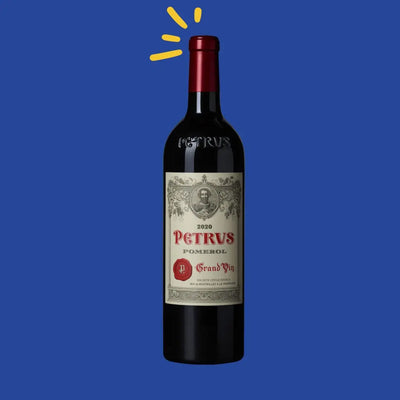
Knowing how to read a tasting note
To buy luxury wine wisely, you need to understand the terms used in descriptions. Tasting rests on several key criteria.
The colour gives a first indication of the wine, notably its intensity and evolution. The nose reveals the aromas, which can be fruity, mineral, spicy or oaky. The more complex a wine, the richer its aromatic range.
On the palate, attention turns to the wine's structure. Tannins play an essential role, especially in red wines. They can be supple or firmer, but must always be balanced. A well-built wine will be powerful, round and harmonious at once.
Terms such as full-bodied, indulgent, opulent or balanced help you understand the wine's profile and guide your choice according to your preferences.
Matching your purchase to your goals
Buying luxury wine means defining your intention clearly. Not all high-end wines meet the same expectations.
For drinking soon, it is better to choose a wine that is already ready. These cuvées offer their aromas and balance immediately, without long ageing.
Conversely, some wines have strong ageing potential. They will evolve over time, gaining complexity and finesse. These bottles require patience but offer a unique experience when they reach their peak.
Buying can also follow a collecting logic. In that case, rarity, the estate's prestige and the vintage's reputation become decisive criteria.
The importance of rarity and prestige
In the world of luxury wine, rarity plays an essential role. Cuvées produced in limited quantities, often available only through allocations, are particularly sought after. This rarity strengthens their appeal and premium positioning.
The estate's prestige is also a key factor. Iconic houses enjoy a strong image built over years of excellence. Their name alone can influence perception of the wine and reassure buyers.
Choosing a wine from a renowned estate limits risk and ensures a certain level of quality. It is a solid foundation for building a coherent, elegant cellar.
Where to buy luxury wine
The choice of buying channel is decisive. Several options are open to buyers, each with its advantages.
Specialist wine merchants offer personalised support. Their expertise provides tailored advice and access to carefully selected cuvées.
Online platforms offer a wide choice of wines, often with detailed descriptions and reviews. They make it easy to compare prices and access rare bottles.
Auctions are another option, especially for old or hard-to-find wines. They do, however, require good market knowledge and particular vigilance.
Whatever the channel, it is essential to make sure of the bottles' authenticity and the quality of their storage.
Avoiding common mistakes
Buying luxury wine has some pitfalls, especially for less experienced buyers. One of the most common mistakes is relying solely on price. An expensive wine is not necessarily suited to your taste or your goal.
It is also important not to overlook storage conditions. A badly stored wine can lose quality, even if it is a grand cru.
Being swayed by trends or fashion can also lead to poor choices. It is better to follow your own preferences while relying on trustworthy recommendations.
Building a coherent cellar
Buying luxury wine is often part of a wider project: building a cellar. It should be designed as a balanced whole, combining different styles, regions and vintages.
A good cellar meets different occasions: tastings, events, gifts or exceptional moments. It also reflects its owner's personality and interest in wine.
It is wise to diversify your purchases, including both safe bets and discoveries. This approach enriches your experience and deepens your understanding of wine.
Conclusion
Buying luxury wine combines knowledge, sensitivity and high standards. It is not simply about choosing a prestigious bottle, but about understanding what gives it value: terroir, estate, vintage, rarity and tasting quality.