Wine is surrounded by many traditions. Some are useful; others have become real misconceptions. Serving temperature, sulphites, ageing, corks and food pairings: several beliefs continue to influence how we taste.
Here are 8 wine myths worth putting into perspective.
1. The older a wine, the better it is
Not all wines are made to age.
Some are designed to be enjoyed young, to make the most of their fruit and freshness.
Ageing potential depends on the grape, the vintage, acidity, tannins and the wine's structure.
A wine kept too long can lose its balance.
Age therefore never guarantees quality.
Our pick for this article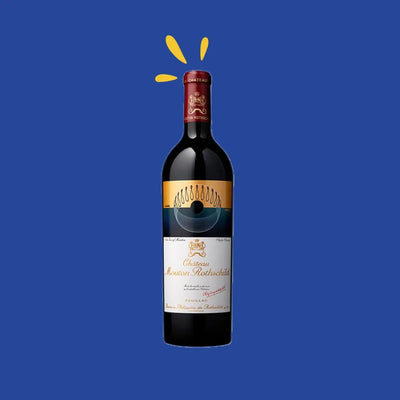
2. A wine's tears show its quality
The tears, or legs, of a wine appear on the sides of the glass after swirling.
They are often seen as a sign of quality.
In reality, they are mainly linked to alcohol, evaporation and surface tension.
A wine can have lots of legs without being particularly complex.
Quality is better judged by balance, aromas, texture and length.
3. Sulphites always give you a headache
Sulphites are often blamed after a tasting.
Yet headaches are generally linked to several factors.
Alcohol and dehydration play an important role.
Histamines, tannins or individual sensitivities can also be involved.
Sulphites can cause reactions in some people, but they are not responsible for every wine-related headache.
4. Red wine should be served at room temperature
This rule dates from a time when homes were much less heated.
Today, a room at 21 or 22 °C is often too warm for a red wine.
Served too warm, it can seem heavier and more alcoholic.
Light reds can be served slightly chilled, while fuller wines are often more balanced at around 16 to 18 °C.
Serving temperature strongly influences the aromas.
5. A screw cap means a bad wine
Cork remains closely associated with quality wines.
But a screw cap does not mean a wine is low-end.
It offers a consistent seal and limits the risk of cork taint.
Many producers now use it to preserve the freshness of their wines.
The quality of a bottle depends on the wine itself, not only on its closure.
6. Fish only goes with white wine
The white wine and fish pairing is a great classic.
But it is not compulsory.
A grilled or smoked fish can work very well with a light, low-tannin red.
Conversely, some powerful white wines can accompany meat.
Food and wine pairings depend mainly on texture, sauce, cooking method and aromatic intensity.
7. All wines should be decanted
Decanting oxygenates a wine and opens up its aromas.
It can be very useful for a young, powerful wine.
But it is not suitable for every bottle.
An old wine can be fragile and quickly lose its balance in contact with air.
In some cases, a simple decanting off the sediment is enough.
Decanting should therefore be adapted to the age and style of the wine.
8. An expensive wine is always better
The price of a bottle depends on many factors.
Rarity, appellation, the estate's reputation, demand or production costs can make its value vary considerably.
But a high price does not guarantee you will like the wine more.
Some lesser-known regions offer excellent value for money.
You therefore need to distinguish market value from tasting pleasure.
Why do these myths exist?
Wine has a long history and a highly codified culture.
Many habits have been handed down through generations.
Some remain relevant, but others need to be adapted to current knowledge.
Winemaking, storage and tasting methods have evolved.
Overly simple rules therefore don't always help you understand the diversity of wine.
Tasting with fewer preconceptions
Knowing the main wine myths lets you taste with more freedom.
A red can be slightly chilled.
A white can go with meat.
A screw cap can protect a very good wine.
And an old bottle is not automatically better.
Tasting rests above all on balance, context and personal preference.
Understanding these misconceptions ultimately helps you choose, serve and enjoy your bottles with more pleasure, without being boxed in by ready-made rules.