Giving a wine for a 50th birthday usually means hunting for the birth-year vintage. It is a lovely idea, but it carries a trap: not every wine survives half a century, and a fifty-year-old bottle that was badly stored is a guaranteed disappointment. Here is how to make the right choice.
The first question to ask
Do you want a bottle to drink or a bottle to show?
A fifty-year-old birth vintage is about symbolism. There is a real risk that the wine is tired, and nobody can guarantee otherwise before the cork comes out.
A more recent great wine from a well-regarded vintage offers far more reliable drinking pleasure. That is the rational choice if the bottle is going to be opened the same evening.
The most elegant solution is often to give both: a symbolic bottle from the birth year and a safe bottle for the evening itself.
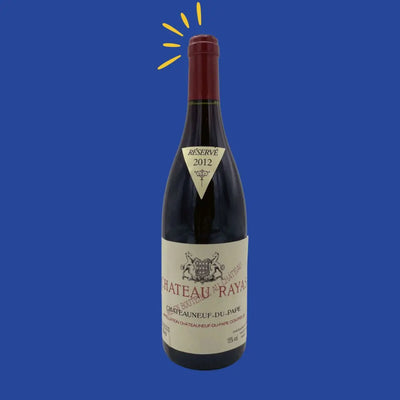
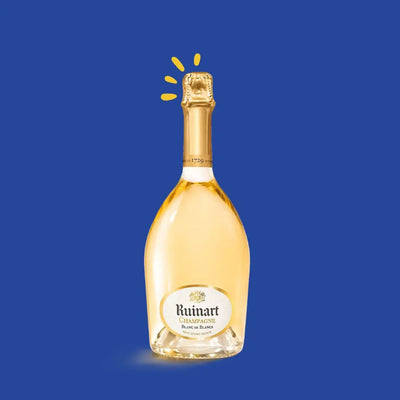
Our pick for this article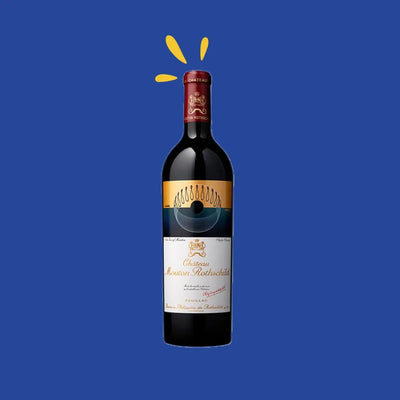
The wines that really last fifty years
Very few wines cross half a century. The ones that do share high acidity, sugar or solid tannins.
- Sweet wines from Sauternes, Château d'Yquem above all. Sugar and acidity make them close to indestructible. This is the most reliable choice for an old vintage.
- Classed growths from Bordeaux in the solid vintages, especially in the Médoc and in Pauillac.
- Grands crus from Burgundy, more fragile but sublime when storage has been perfect.
- Vintage port and Madeira, built to last.
- Vin jaune from the Jura, whose ageing is measured in decades.
At the other end, an ordinary dry white, a rosé or an easy-drinking red stand no chance at fifty years.
Four checks before buying an old vintage
- The fill level. For a fifty-year-old Bordeaux, a level in the upper shoulder is normal. Below the lower shoulder, evaporation points to a cork that has let air through.
- The state of the capsule and cork. A capsule that moves, or signs of seepage, are bad signals.
- Provenance. This is the decisive criterion. A bottle that has stayed in the same cellar since it was bought is worth far more than one that has passed through five pairs of hands.
- The colour. A fifty-year-old red should lean towards brick. A strongly marked orange-brown rim means the wine is at the end of the road.
If the birth vintage cannot be found
Several alternatives work very well and make just as much impression.
- A more recent symbolic vintage: the year of the wedding, of a child's birth, of starting a business.
- A large format. A magnum makes a far stronger impression than a standard bottle, and the wine ages better in it. See our magnums and large formats.
- A vertical. Three vintages from the same estate, to open over several years: a gift that lasts.
- A grand cru from a well-regarded recent vintage, to lay down for the 60th. See our grands crus.
What budget?
An old vintage from a major appellation rarely starts below a few hundred euros, and a prestigious name in a sought-after year climbs quickly into the thousands.
On a contained budget, a Château d'Yquem or a recent grand cru gives far better emotion for the money than an old vintage of doubtful origin bought in a hurry.
Serving an old bottle on the day
- Stand it upright 48 hours beforehand, so the sediment settles.
- Open it in front of the guests: that is the big moment.
- Decant gently if there is a lot of sediment, but do not aerate for long: an old wine can fade in twenty minutes.
- Serve at around 16 degrees, never warmer.
- Have a second bottle ready, just in case.
For other ideas, see our gift ideas and our investment guide on the question of provenance.
Frequently asked questions
Is a 50-year-old wine still good?
It depends entirely on the wine and on how it was kept. A Sauternes, a vintage port or a well-stored classed growth can be magnificent. An everyday wine from the same year will be undrinkable. Nobody can guarantee it before opening.
Which wine should you choose for a birth-year vintage?
Sweet wines from Sauternes are the most reliable over long ageing, followed by Bordeaux classed growths and vintage ports. These are the categories that forgive the decades best.
How can you check that an old wine was well stored?
Look at the fill level, the state of the capsule and cork, the absence of seepage and the colour of the wine. Above all ask about provenance: a bottle that stayed in one cellar is worth more than one that has moved around a lot.
Should you decant a fifty-year-old wine?
Decanting gently to separate the sediment, yes. Long aeration, no: oxygen can strip its aromas in less than half an hour.
What is the alternative if the birth vintage cannot be found?
A magnum from a well-regarded recent vintage, a vertical of three years from the same estate, or a grand cru to lay down for the next decade often make more impression than an uncertain old bottle.