Short answer: chili amplifies the perception of alcohol and toughens the tannins. With spicy cuisine, choose a low-alcohol wine with little or no tannin, and if possible, with a touch of residual sugar: off-dry riesling, gewurztraminer, off-dry rosé, or sparkling wine. Serve it noticeably colder than usual.
To see our selection, browse all our bottles.
What chili does to wine
Capsaicin, the molecule responsible for the heat, does not affect taste but rather the receptors for pain and heat.
- It amplifies the sensation of alcohol: a 14% wine feels burning.
- It toughens the tannins: they become bitter and astringent.
- It exacerbates the bitterness of new oak.
- It is soluble in alcohol: drinking spirits spreads the heat instead of soothing it.
On the other hand, sugar and fat genuinely soothe the sensation. This is why Indian cuisine is served with yogurt and chutney.
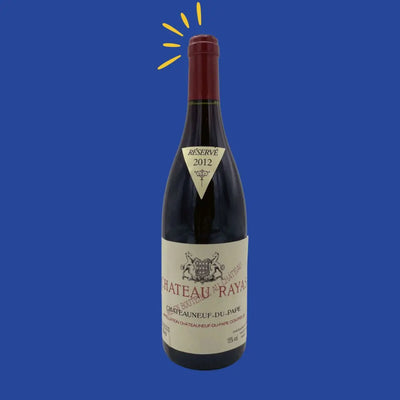
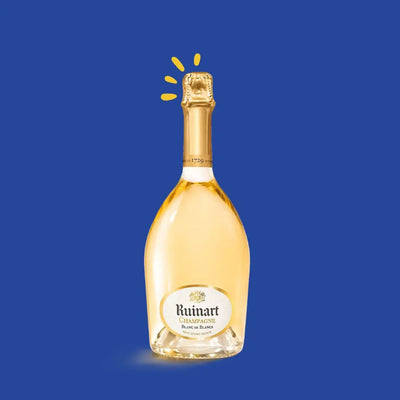
Our pick for this article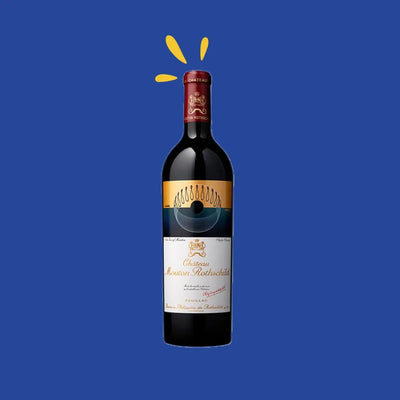
The three strategies
1. Wine with a little sugar
The most effective. A light residual sugar directly soothes the chili.
- Off-dry riesling from Alsace or Germany: the classic pairing for Asian cuisine.
- Gewurztraminer: its notes of lychee and rose complement the spices.
- Pinot gris: fuller-bodied, excellent with a mild curry.
- Off-dry Vouvray: underrated and remarkable.
2. Sparkling wine
The bubbles cleanse the palate between bites. An extra-dry champagne or off-dry crémant combines bubbles and sugar.
See our champagnes.
3. Cold, low-alcohol wine
If you prefer dry: a 12% white served very cold, or a light red chilled to 14%.
Temperature is the most powerful tool here: coldness directly reduces the perception of alcohol.
See our temperature guide.
Cuisine by cuisine
- Mild Indian curry: pinot gris, or structured rosé.
- Spicy Indian curry: off-dry riesling, served very cold.
- Thai cuisine: the sweet, salty, and sour flavors call for a riesling or gewurztraminer.
- Chinese cuisine: very varied. Champagne with dim sum, light pinot noir with Peking duck.
- Mexican cuisine: a crisp rosé, or a light red served chilled.
- Korean cuisine: the fermented chili and sugar in gochujang call for an off-dry white.
- Lebanese cuisine: not very spicy, a rosé or light red works very well.
What to avoid
- Tannic and oaked reds: the combination is frankly unpleasant.
- Wines over 14%: the burning sensation adds up.
- Great wines: your taste buds will be overwhelmed, and the wine will be wasted.
- Wines served at room temperature with a very spicy dish.
The case of spices without chili
Cumin, coriander, cardamom, cinnamon: these are not chilies, and they do not pose the same problem.
On the contrary, they call for wines with warm aromas: grenache, syrah, blanc du Rhône. This is the classic pairing for tagines and couscous.
See our couscous and tagine guide.
Frequently asked questions
Why does beer work better?
Low alcohol, bubbles, and often a slight sweetness. These are exactly the criteria that work.
Won't a sweet wine overpower the dish?
An off-dry wine with low sugar, no. It soothes without dominating. A sweet wine, on the other hand, would overpower it.
What wine with sushi?
This is not spicy cuisine: a dry, mineral white or a champagne is perfectly suited.
And what about sake?
It works very well, with moderate alcohol and a roundness that soothes the heat.
Ordering from Le Caveau des Pépites
We work directly with producers to guarantee the origin and traceability of every bottle. Stored in our climate-controlled, humidity-regulated warehouses in France, hand-packed and cushioned, and shipped from mainland France via tracked and insured transport. Free delivery on orders over 300 euros. Customer service available 7 days a week, in French and English.
To learn more: what wine with sushi.